Industries

One platform.
Different operating realities.

The response model for a hospital is not the same as a school, hotel, factory, public facility, or vessel. SOS Live adapts protection, readiness, incident operations, communication, context, and escalation to each environment.

Built around the operating model

Start with the people, risks, and policies that shape response.

Every deployment begins with who needs protection, who owns the response, how teams communicate, what systems already exist, what evidence matters, and when additional escalation is appropriate.

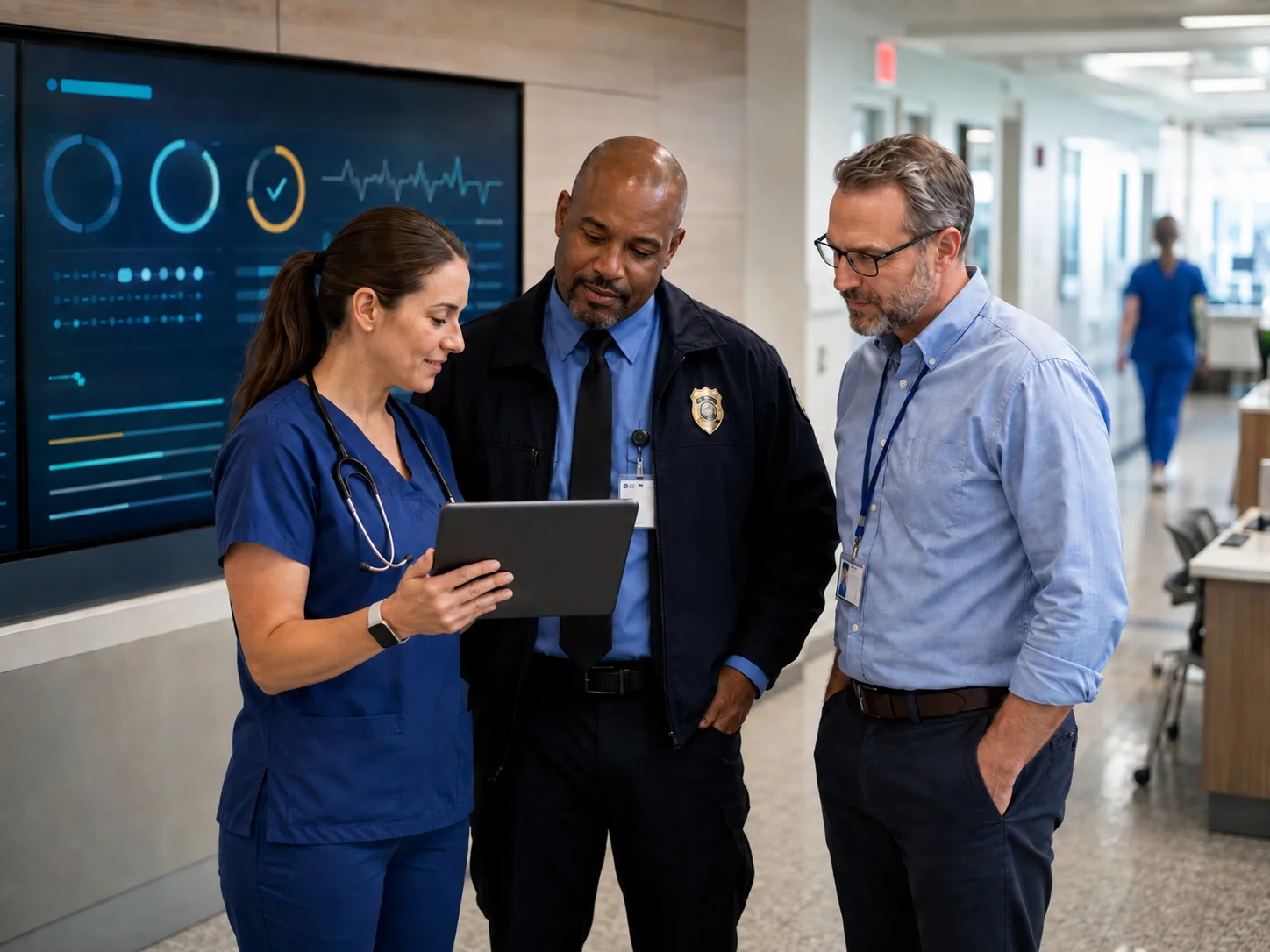
Healthcare environment supported by SOS Live 2.0
Healthcare

Protect mobile caregivers without slowing care.

SOS Live 2.0 connects discreet activation, clinical and security response, staff communication, system readiness, and accountable incident review across the care environment.

  • Staff protection
  • Clinical coordination
  • Operational readiness
Explore this use case
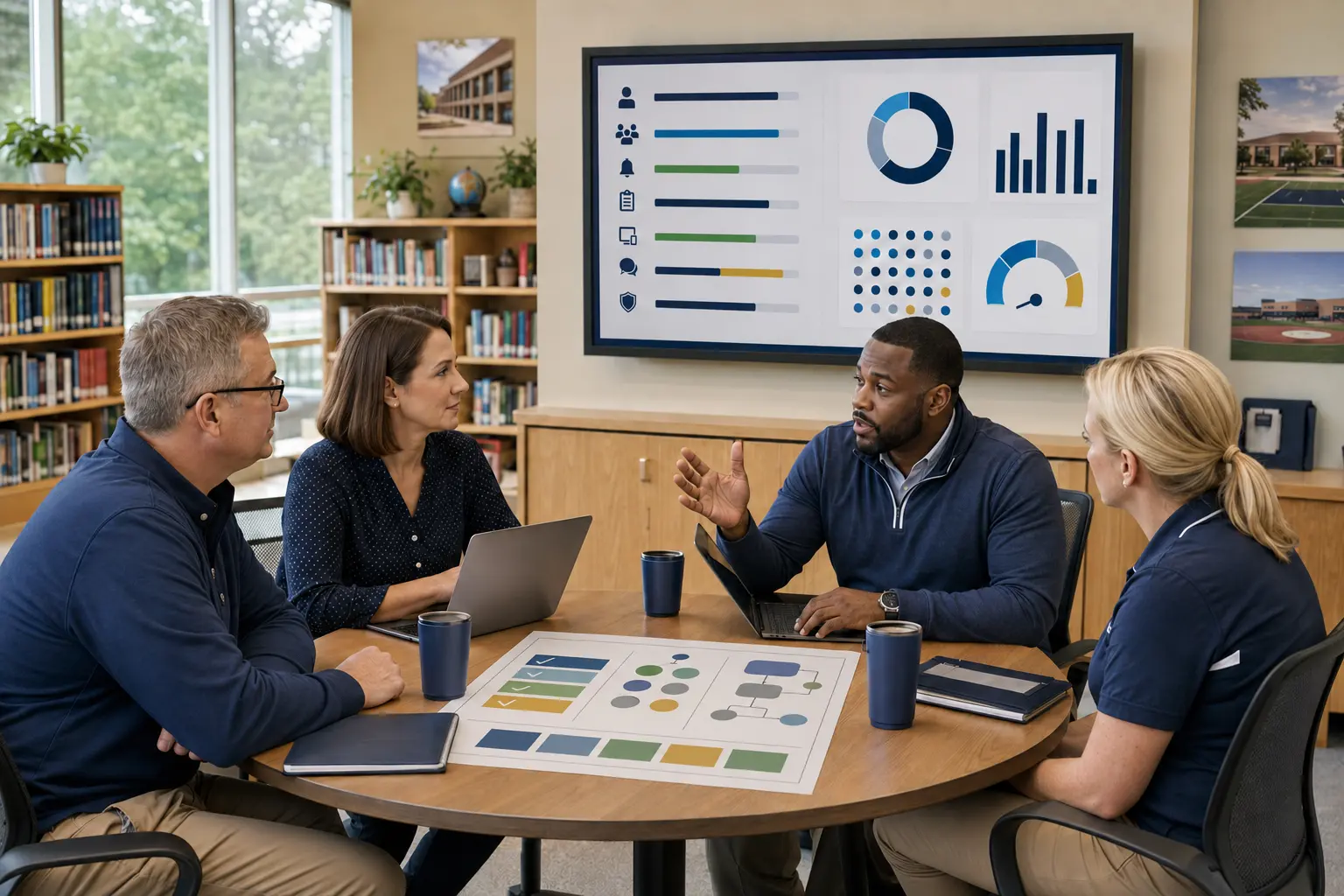
Education environment supported by SOS Live 2.0
Education

Move beyond panic-button compliance.

SOS Live 2.0 unifies staff activation, campus awareness, drills, device health, communication, and governed escalation for schools and districts.

  • Campus readiness
  • Coordinated response
  • Approved escalation
Explore this use case
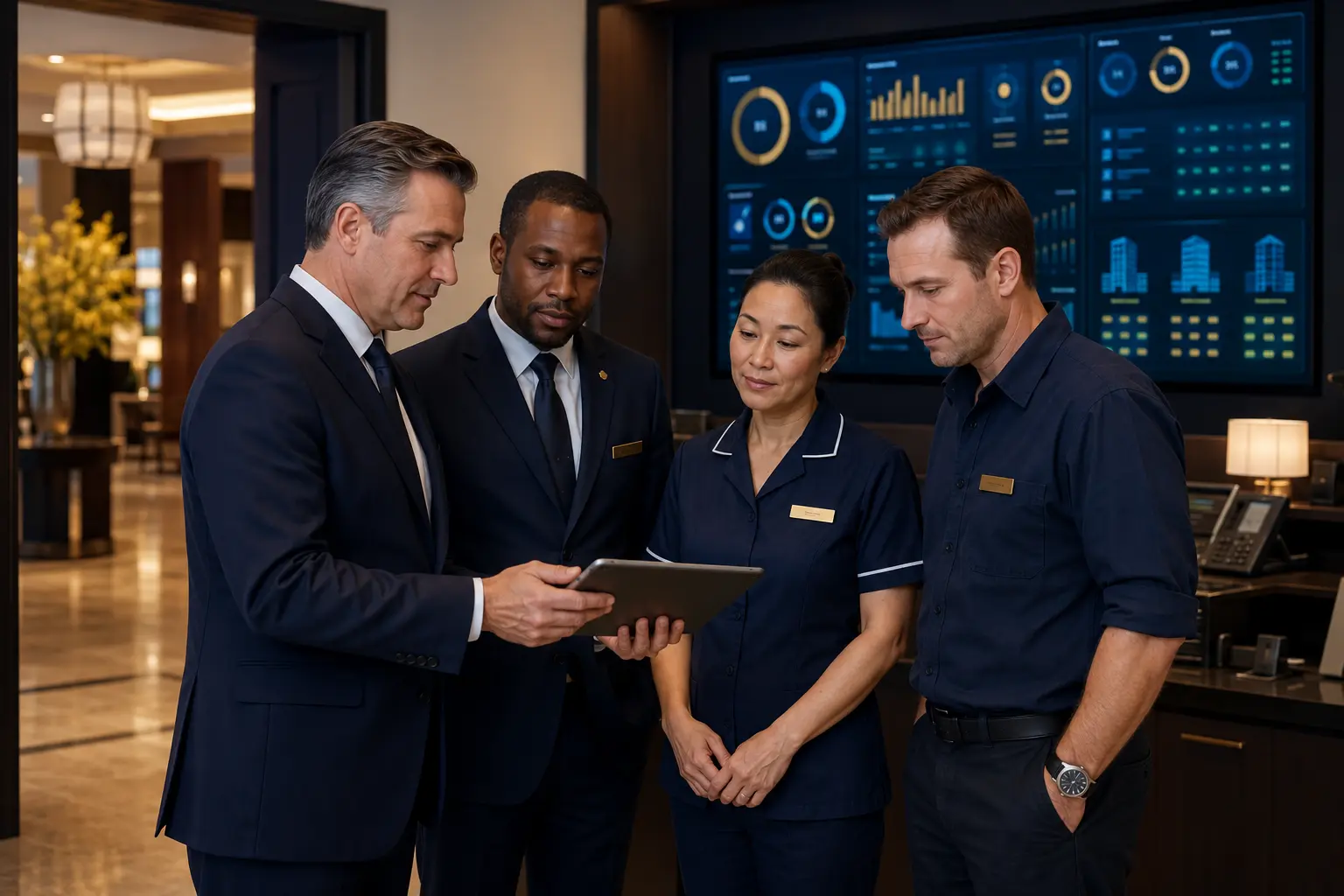
Hospitality environment supported by SOS Live 2.0
Hospitality

Visibility for a workforce that rarely stands still.

SOS Live 2.0 brings lone-worker protection, property-team coordination, privacy-aware incident handling, and multi-property readiness into one platform.

  • Lone-worker safety
  • Property coordination
  • Privacy by design
Explore this use case
Real Estate environment supported by SOS Live 2.0
Real Estate

Protect agents wherever the next showing takes them.

SOS Aegis gives agents a discreet way to request assistance while connecting identity, available phone GPS, property context, acknowledgement, and response status through SOS LiveCommand.

  • Lone-worker safety
  • Property-visit context
  • Coordinated response
Explore this use case
Enterprise + Industrial environment supported by SOS Live 2.0
Enterprise + Industrial

Connect people, sites, and response policy.

SOS Live 2.0 standardizes activation, EHS and security workflows, connected-system context, readiness, and reporting across diverse operating sites.

  • Cross-site policy
  • EHS coordination
  • Readiness + audit
Explore this use case
Public Sector environment supported by SOS Live 2.0
Public Sector

Built for accountability and public trust.

SOS Live 2.0 combines secure employee protection, role-based operations, readiness evidence, audit, and policy-approved responder integration.

  • Secure operations
  • Governed response
  • Public-sector trust
Explore this use case
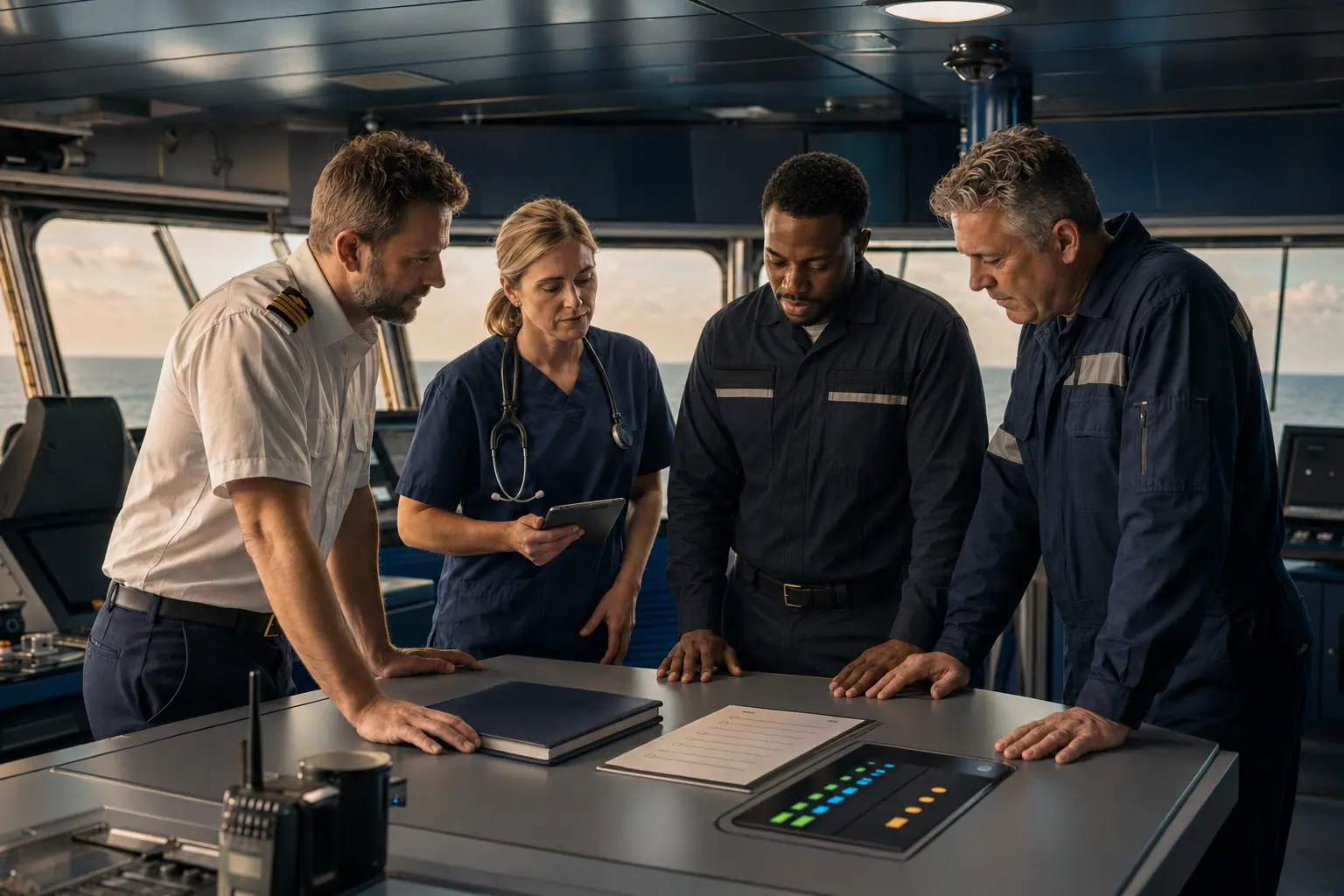
Maritime + Complex Steel environment supported by SOS Live 2.0
Maritime + Complex Steel

Resilient response across complex steel environments.

SOS Live 2.0 connects crew activation, resilient signal coverage, onboard command, medical and security coordination, and operational readiness across the vessel.

  • Crew protection
  • Resilient signaling
  • Onboard coordination
Explore this use case

Configured—not assumed

Internal response first. Public-safety escalation where approved.

For most enterprise, healthcare, hospitality, and commercial deployments, security and designated internal teams respond first. CAD, PSAP, EMS, police, or other responder integrations are enabled only where configured, authorized, and appropriate.

01

Define the event

Identify duress, medical, safety, environmental, and connected-system triggers.

02

Assign ownership

Determine the first responsible internal role and acknowledgement requirements.

03

Add context

Specify identity, location, map, telemetry, video, and communication needs by role.

04

Govern escalation

Approve the conditions, payloads, integrations, and people involved in external response.

Build a better response

Design SOS Live around the way your organization actually responds.

Bring us your highest-risk scenarios, current workflow, buildings, response roles, and integration requirements. We’ll map a practical deployment path.